
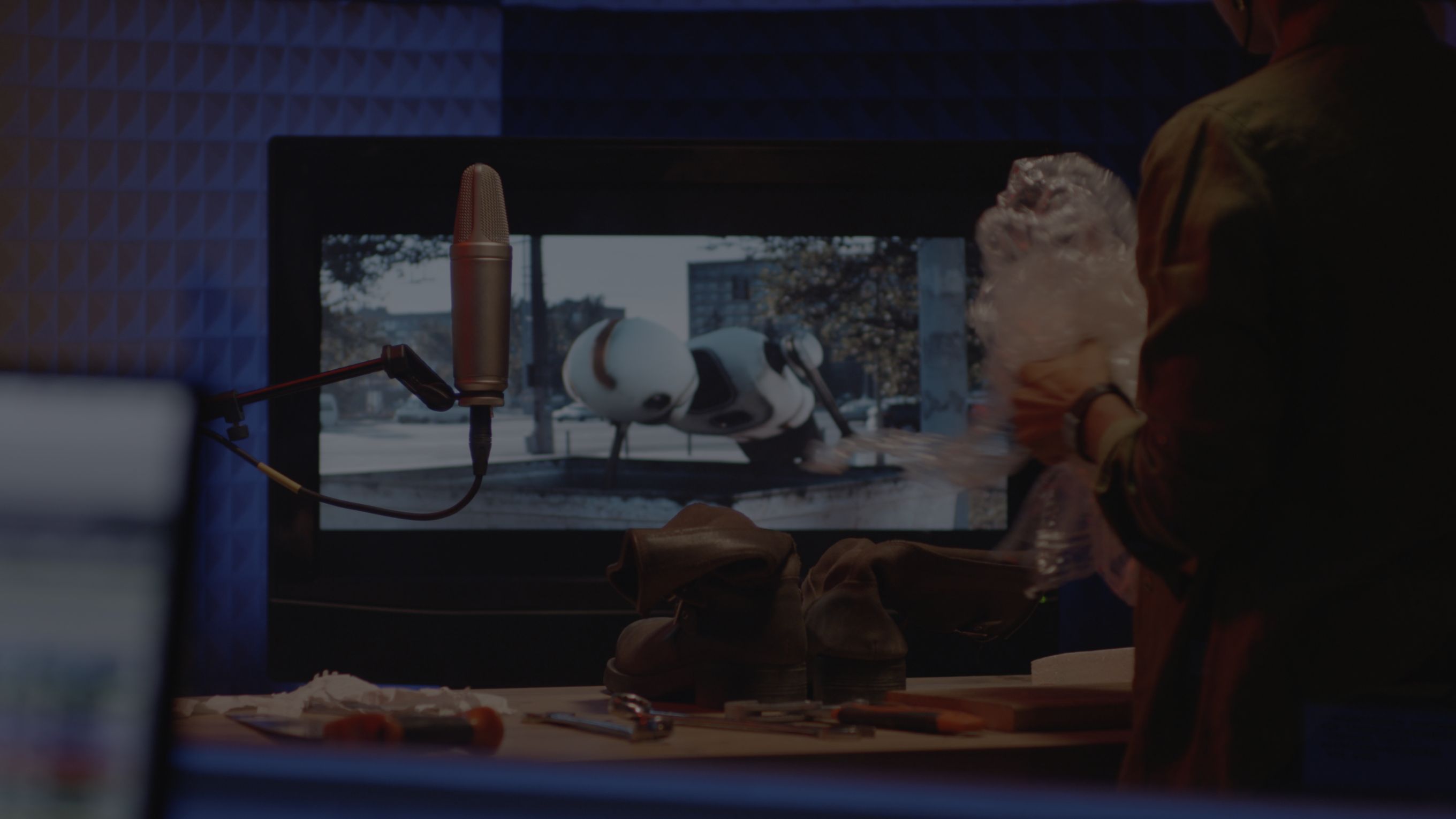
Foley sessions are brilliant when they hum along: quick cues, tidy takes, and editors grinning because the picture suddenly feels alive. More often they turn into a scavenger hunt: the wrong shoes, noisy room, mismatched intensity, and folders full of unlabelled WAVs that nobody wants to touch. If you are juggling deadlines, an overfull effects library and picky picture editors, you need a compact, performance-led workflow that gets usable SFX into the timeline fast. Below is a practical, no-nonsense guide to making Foley sessions predictable, editable and fast to deliver, plus where Krotos tools can speed up the parts you never have time for.
Why most Foley sessions end up sounding fake, noisy or unusable
When things go wrong in Foley, it is usually a mixture of technical, performance and organisational problems. Editors hate unusable takes because they cost time, and filmmakers lose patience because sound that does not match picture kills immersion. Understanding the common failure modes helps you prevent them, rather than spending hours in the edit bay patching holes.
Common technical mistakes
Bad mic choices, noisy rooms and phase issues are the usual suspects. Using a shotgun mic when you want a close, dry texture gives you an unusable distance perspective. Placing mics too close or too far without checking the room response creates artefacts you cannot easily remove. Wind, handling noise and poor cables show up as low frequency rumble or intermittent clicks. Phase cancellation can occur when combining multiple mics without checking relationships, leaving your takes thin or hollow. Often the fix is simple: pick a microphone suited to the perspective you want, control the distance, and run phase checks before the first take.
Performance and timing problems
Performance failures usually look like two things, timing and intention. If the actor does not match the screen pace, even a perfect recording feels wrong. Conversely, overdubbed actors often chase perfection and create sterile takes that do not sit with picture. Exaggeration or under-performance are common when the performer does not understand the intended perspective, for example a soft indoor hallway step versus an outdoor gravel walk. These mistakes multiply the editing time because you get lots of unusable takes or need complex crossfades to make things feel right.
Logistical and post-production pitfalls
Poor planning turns an efficient session into a mess. Not having the right props, overlooking shoe variety, or failing to slate properly all cost time. File naming that leaves editors guessing, no stems or reference tracks, and missing backups are classic post-session traps. A tidy folder with clear metadata and stems saves the editor hours and reduces back-and-forth. Spend ten minutes organising at source and you will reclaim hours later.
A better principle: performance-first, capture-for-editing
Shift your priorities away from the myth of a single perfect take. Aim for convincing performance, consistent perspective, and organised capture. That way you give editors material they can slice, layer and match without wrestling with noise or endless alignment.
Performance over perfection
A slightly messy but expressive take is often more useful than a technically pristine but lifeless one. Editors want options: variations in timing, intensity and weight that can be layered or time-stretched. Encourage performers to deliver short, repeatable cues with small intentional differences, for example a light, medium and heavy footstep for the same frame. This approach reduces the need for surgical editing and yields faster, more natural results in context.
Record for editability
Adopt a capture-for-editing mindset. That means recording stems, close and room pairs, slate or reference tracks and short multiple takes rather than long runs. A close mic gives you the texture, a room mic gives environment and space. Slating each take with a spoken cue and timecode note makes later sync trivial. Multiple brief takes, each labelled for intensity and perspective, are far more flexible than a two-minute run which might contain the single usable moment you need.
A step-by-step Foley workflow you can use today
This is a repeatable routine that works whether you are in a small studio, an ADR room or a repurposed garage. It favours speed, predictable results and delivering editor-ready stems.
Pre-session checklist
• Spot the scene with the editor or director, make a short cue list and mark priority frames. Focus on what needs sound now, and what can come from libraries.
• Build a prop and shoe matrix. For footsteps, prepare a set of shoes and map them to characters, surface types and velocities.
• Do a quick acoustic check of the room, listen for hums, vents or traffic. If there is persistent noise, decide room or close mic strategies to avoid it.
• Test the signal chain: gain staging, phantom power, headphone mixes and slate mic levels. Record a 30 second test clip for each mic and listen back in headphones.
• Prepare file naming conventions and session templates so you can capture uniformly across projects.
These prep steps take 15 to 45 minutes and prevent common interruptions. The point is to remove guesswork from the session, so every take is rapid and deliberate.
Recording session routine
Run a tight loop for each cue, the same rhythm keeps the performer focused and the editor happy.
• Slate: speak the cue name, take number and a short note about intensity into a dedicated slate mic channel. If you have timecode, record it. If not, a verbal slate is still a lifesaver.
• Performance: record short takes, 1 to 4 seconds for footsteps, 3 to 10 seconds for cloth and movement, and isolated strikes for impacts. Aim for three to five useful variants per cue: light, standard, heavy.
• Variation: change distance, angle, or prop subtly between takes. For footsteps, shift weight or heel-toe emphasis. For cloth, alter rubbing speed or direction.
• Quick review: listen back to the head and tails of the recording in context, check for clicks, handling noise or room surprises. If the take fails, do the same take again rather than moving on.
• Mark good takes in your DAW or recorder with a quick flag and note for the editor.
This loop keeps sessions moving and creates edit-friendly banks of material.
Fast post-session organisation
Do these three things before you leave the session, while details are fresh.
• File naming: Use a predictable convention such as Project_Scene_Cue_Shoe_Surface_Take_Role.wav. Include intensity markers like Light, Med, Heavy when relevant.
• Backup: Copy raw files immediately to at least two locations, for example an external SSD and a team server or cloud folder. Verify checksums if you can.
• Export stems: Bounce quick dry close stems and a room stem for each cue, at editorial levels. Create a short rough mix referencing the picture where possible so the editor can hear perspective options.
Immediate tidy-up prevents last-minute rescue missions. Editors will thank you, and you will avoid repeat sessions.
Three real-world Foley examples: footsteps, cloth and impact hits
Examples help make the abstract concrete. Below are practical ways to capture three common Foley categories so they are edit-ready and expressive.
Footsteps, fast, edit-friendly approach
Match surface and shoe, but do not overcomplicate it. Select three shoes that represent the character range and prepare corresponding surfaces. Record short sets: heel-first, toe-first, shuffles and sudden stops. For each position capture close and room pairs, then slate and label with intensity.
• Surface match: brief samples on each surface for tone reference. Record a 5 to 10 second loop of natural walking for context.
• Intensity variants: label takes as Light, Med, Heavy. These labels help editors pick the right weight quickly.
• Perspective: capture close dry for editorial placement and a room/ambience for match and bleed. If editors want distance, include a medium-distance microphone or a natural distant take.
Deliver a labelled take set that lets editors crossfade or layer to match eyewinks and camera moves, rather than forcing them to time-stretch one perfect step.
Cloth and movement, capture the nuance
Cloth is about texture and micro-movement. Use a cardioid condenser for close texture and an omni or room mic for body ambience. Mic the area where rubbing is most evident, for example sleeve seam or shoulder area, and record directional motions in short bursts.
• Mic placement: place a close mic 10 to 30 centimetres from the action for texture and a room mic further back for space.
• Gesture syncing: perform the exact camera gesture while watching picture if possible, record the motion several times with slight speed and force changes.
• Dry versus room: provide a dry close take and a room take. If fabric rustle is noisy, record quieter versions by adjusting contact pressure rather than moving away from the mic.
Label takes with the action type, for instance Sleeve_Rub_Left_Med_Take03, to make assembly fast and obvious.
Impacts and whooshes, size and distance cues
Impacts sell weight and whooshes sell motion. Think in layers: the close hit for attack, a medium layer for body and a distant layer for room. Record hits with different striking implements and record each at close, medium and far distances.
• Prop selection: use objects that produce the right timbre, then tweak with layering. A wooden hit plus a deeper thud and a metal clang can combine into a believable door slam or object drop.
• Distance cues: capture the same hit from three distances to give editors choice. A near mic provides the transient, a room mic adds decay.
• Whooshes: record source motions for authenticity rather than relying on stock effects alone. Swing small objects or flags to create real Doppler-like textures, and capture passes at varying speeds.
Provide stems labelled Attack_Body_Room with intensity tags so editors can assemble a convincing impact quickly without hunting through libraries.
Final checks before you deliver or export Foley stems
Before handing files to the editorial team, run through a short pre-delivery checklist as prose so nothing gets missed.
Listen to a few takes in sequence against picture where possible, confirm slates match the filename and take numbers, and verify timecode or verbal slates are clear. Inspect the head and tail of each clip for clicks, pops or handling noises and trim conservatively rather than aggressively. Check phase and polarity between close and room microphones by soloing pairs and listening for thinning or comb filtering. If you see phase issues, flip polarity and listen again.
Assess noise floor and consistency. Measure the background noise and confirm it is even across takes, normalise gently if needed to get editorial reference levels, but avoid heavy processing at this stage. Maintain consistent nominal levels across similar cues so the editor is not surprised by jumps. Finally, apply metadata and organise folder structure: a ReadMe with the session notes, a directory for dry stems, a directory for room stems, and a rough mix. Export in formats the picture editor requests, for example 48 kHz 24 bit WAV, and include a zipped reference pack if they prefer a single download.
Where Krotos tools plug into this workflow and save time
Krotos tools are helpful in the parts of the workflow that tend to slow you down: auditioning variations, layering quickly and producing export-ready stems without deep library hunting. They are not a substitute for performance-led recording, instead they complement it by letting you iterate rapidly on sound design choices and produce polished stems to hand to editors.
Use Krotos tools to construct and audition layered whooshes and atmospheres fast, combining recorded hits with generated textures to test different emotional directions in minutes. The ability to tweak parameters and audition multiple variations without stopping the edit helps you respond to feedback quickly, and exporting grouped stems ensures the files slot directly into editorial timelines or game audio projects. Krotos tools also help when you need to build quick ambience beds or background layers that otherwise require hours of searching through libraries.
When discussing AI-assisted features, we take a measured tone. Tools that use intelligent algorithms can speed up repetitive tasks, but they should operate within clear boundaries and respect editing transparency. Treat AI suggestions as starting points that you, the human creative, evaluate and refine. This approach preserves trust and keeps creative control where it belongs, while still offering credible time savings.
Best tasks to reach for Krotos
• Creating whooshes and motion textures quickly, then exporting separate stems for attack and ambience.
• Building and auditioning atmospheres with multiple variations so editors can pick mood and density.
• Rapidly layering and processing impacts to test weight and distance without rebuilding from scratch.
• Exporting organised, labelled stems that slot into Premiere Pro, DaVinci Resolve, FMOD or Wwise workflows.
These are the high-value places where short time investments return large editorial gains, freeing you to focus on the picture and creative decisions rather than library hunting.
If you want to try these techniques and see how Krotos fits into your process, we have a few easy ways to get started. Try a free trial to explore toolsets in your own projects, download a sample asset pack to use alongside your recordings, or follow a short tutorial that walks through building whooshes and exporting stems for Premiere Pro or DaVinci Resolve. Join the Krotos creator community to compare workflows and ask questions in real-world scenarios, because hands-on testing and peer tips are the fastest way to level up.
Frequently asked questions
How are Foley sounds recorded?
Foley sounds are recorded by performing actions that match the on-screen activity while capturing the audio with microphones. This usually happens in a studio space where props, shoes and surfaces are used to recreate footsteps, movement and specific object sounds. The performer watches the picture or a playback and times their actions to the actors, creating takes that editors can sync to the video.
Recording often involves close microphones for texture and room microphones for ambience, with multiple short takes at varying intensities to provide editors flexibility. Slates and notes are used to identify takes, and stems are exported so picture editors can quickly assemble or swap layers.
What are the various types of recording techniques?
Recording techniques vary by the desired perspective and sound category. Close mic techniques capture texture and transient detail and are useful when editors need a dry sound to place precisely in a mix. Room mic techniques capture the space and natural decay, useful for distance and ambience. Stereo or spaced arrays are used for atmospheres and wider scenes, while spots and close condensers are preferred for detailed prop sounds.
Other specific techniques include contact miking for resonant objects, shotgun mics for directional distance capture, and binaural or ambisonic methods for immersive formats. Practical constraints such as room noise, mic bleed, and the intended deliverable format guide which technique you choose.
What techniques do Foley artists use?
Foley artists use a mix of performance techniques and sound engineering practices. Performance techniques include varying weight, timing and articulation to match the on-screen movement, as well as creative substitutions where one prop stands in for another to achieve the right sonic character. They also use repetition and small variations to give editors edit points.
Engineering techniques include capturing stems (close and room), slating, gain staging, and running quick quality checks for clicks or phase issues. Foley artists plan a prop matrix and shoe set, rehearse key cues, and track metadata. They often layer multiple sources to build complex effects, for example combining a close impact, a thud, and a reverberant room layer.
What is a Foley recording?
A Foley recording is the captured audio performance that reproduces on-screen sound effects, such as footsteps, clothing movement and object interactions. It is typically recorded in a controlled environment with performers timing actions to the picture, producing takes that are specifically designed to sync with the visuals.
The final deliverable usually includes multiple stems and labelled takes so editors can pick the best combination to match camera perspective, dialogue
